Idaho is currently the seventh-most at-risk state in the nation for wildfire risk to homes. In the past decade, more than 70 million acres have been lost to wildfires across the United States — a 10% jump from the previous decade. Wildfires cost the United States between $394 to $893 billion each year in lost revenue, damage to properties and home value, and more. Wildfire data from the last 30 years has found that in Idaho, the highest known ignition risk comes from equipment and vehicles.
Fortunately, there are a few things people can do in order to mitigate wildfire risk. The first is making smart land use choices on both a community level and a personal property level. Land use choices directly influence wildfire risk — and what your neighbor does can also threaten or protect your property:
- Preserve the natural protective ecosystem. Preserving natural features like wetlands and healthy streams can prevent flooding and cut down on fire — naturally damp areas, obviously, don’t burn as well as conventional subdivisions. Although logging has long been preached as the solution to wildfire, a protective, shaded canopy over naturally damp wild areas actually helps maintain forest moisture. Setting aside other contributing factors, the drier and more exposed a forest or field is, the more easily it burns.
- Plan development for areas with sufficient access to water and fire department coverage. Developments in areas that are an hour from the nearest fire station will almost certainly burn out of control before fire crews can arrive on scene.
- Plan development in areas with adequate road access. If a fire truck can’t get up a private road or private driveway, not only will the home itself burn, the fire will spread unchecked.
- Create fire-smart homes and buildings. This report compares the cost of various fire-smart building practices, and concludes that building fire-smart homes only adds about 3% to the total building cost; substantially less than the cost of re-building a home lost to wildfire.
- Clean up fire hazards around the home. Although North Idaho is known for its off-grid lifestyle, planning ahead also means storing fuels, batteries, and supplies safely — including firewood. For practical reasons, local policy dictates that properties with easier fire truck access and fewer fire hazards get prioritized in wildfire-fighting scenarios.
- Prioritize defensible space around the home. The Ready, Set, Go program and others have useful in-depth guides on what that looks like.
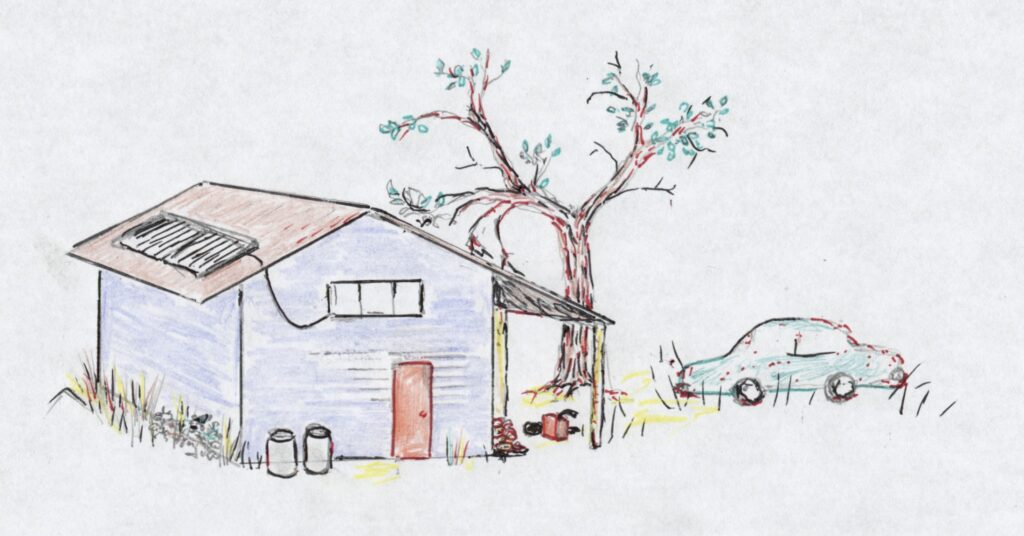
How Fire-Risky is Your Property?
Review these top North Idaho favorites to cut down on your personal flammability.
- Propane. Highly flammable, and becomes pressurized in direct sunlight. To mitigate risk: don’t store tanks in direct sunlight, don’t fill more than 80% full in the summertime, keep existing propane tanks away from ladder fuels such as branches.
- Diesel and gas. Requires higher temperature than propane to ignite. To mitigate risk: store away from the main house in cool, stable areas protected from sunlight.
- Linseed oil and other flammable natural solvents. To mitigate risk: treat decking and siding with a less-flammable option, and if possible, opt for non-flammable materials such as brick or concrete patios.
- DIY solar battery banks and other DIY wiring. To mitigate risk: install batteries and wiring correctly, preferably under the know-how of a professional.
- Seasoned firewood. To mitigate risk: store firewood away from the main home.
- Trash and debris, including old cars or machinery. To mitigate risk: get rid of them.
- Dead trees and underbrush. To mitigate risk: limb dead branches, remove dead trees, and create drought-hardly landscaping around your home.
- Wooden outbuildings without fire-proofing. To mitigate risk: build these at least 30 feet from your home.
- Conventional power lines. To mitigate risk: plant trees away from power lines.
To read more about wildfire risk in Bonner County, as well as other natural disasters and how to mitigate them, see the in-depth Sandpoint Forward report here.